Newsletter Subscribe
Enter your email address below and subscribe to our newsletter
Enter your email address below and subscribe to our newsletter

 BySonu
The discussion centers on the 168.1.27 router login process with a focus on finding the correct device address and securing access. It emphasizes precise steps for locating the IP, identifying default credentials, and establishing a secure initial configuration. The approach is cautious and methodical, prioritizing verifiable settings and record-keeping. The topic inevitably leads to considerations about recovery paths and ongoing firmware hardening, inviting further examination of each safeguard as vulnerabilities evolve.
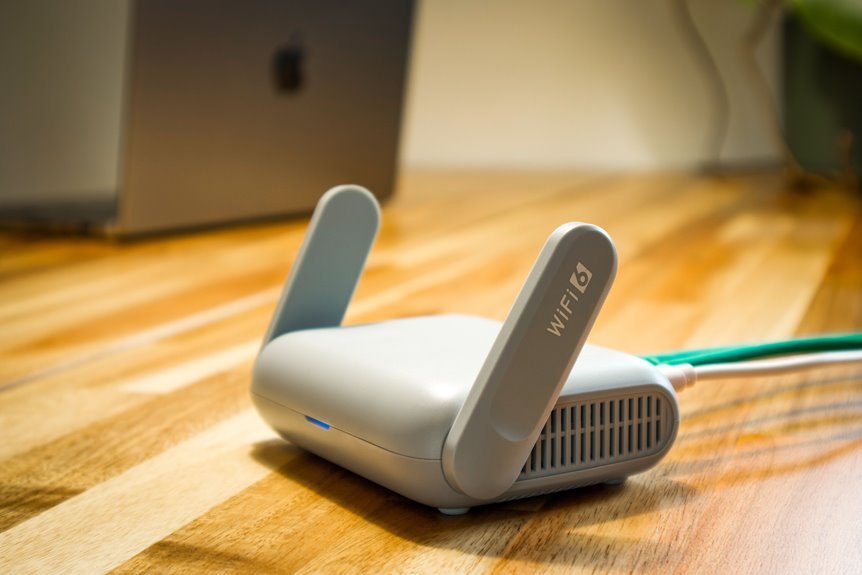
The 168.1.27 router refers to a specific device on a local network that manages data traffic between connected devices and the wider Internet. It enables controlled access, monitoring, and configuration.
This entity supports bandwidth optimization and network segmentation, including a dedicated guest network.
Understanding its login enables secure adjustments, preserving freedom while maintaining performance and network integrity.
To locate the correct IP address and default credentials for the 168.1.27 router, users should verify the device’s label or manual for the default gateway and login details, then cross-check with network settings on a connected computer or mobile device.
IP discovery and credential recovery require careful validation against official documentation to ensure legitimate access and operational freedom.
Access to the router’s admin interface is initiated by entering the discovered IP address into a web browser and supplying the default credentials. The user then navigates to the security or advanced settings section, changes the password, and enables WPA2/WPA3 encryption. Documentation emphasizes networking basics and precise router terminology, ensuring a minimal, auditable configuration without exposing sensitive details.
If credentials have been forgotten or previously altered, the user should follow a structured recovery approach and reestablish secure access without exposing sensitive information.
The procedure emphasizes reset or vendor guidance, verification of device identity, and updating firmware.
Emphasis on forgot credentials, changed before; securing network, password management practices, strong unique keys, and regular audits to maintain resilient access and minimize risk.
Yes, it is possible to changeIP address on the router; careful configuration is required. A qualified user can modifySubnet mask and adjust gateway settings, ensuring network consistency. Documentation notes potential conflicts. Proceed with caution, preserving security and functional freedom.
There is no official mobile app specified for 168.1.27 login. If available, the app would offer login features, remote access, remote management, firmware reminders, and update scheduling, while maintaining cautious, precise control for users seeking freedom.
A concise statistic: 92% of users regret misconfigurations after resets. To reset without losing settings, avoid factory reset; instead, back up configurations, perform a controlled reboot, and reapply saved configurations, noting potential factory reset impact on firmware.
Firmware update reminders exist in some routers, with configurable schedule notifications. The presence and timing depend on the device model and firmware. In pursuing freedom from intrusive updates, users should verify settings, update policies, and avoid automated schedules where undesired.
Remote access is possible but strongly discouraged without proper safeguards. The system should only permit remote access over secure channels, with internet security measures, authentication, and port management; otherwise exposure risks escalate beyond reasonable bounds for freedom seekers.
In summary, the guide clarifies that the 168.1.27 router is a gateway requiring careful credential handling and timely security updates. A precise, auditable configuration supports ongoing network integrity, while documenting default credentials and changes minimizes recovery time after incidents. An interesting statistic: studies show that up to 60% of home networks remain vulnerable due to unchanged default passwords. This underscores the need for prompt password updates and routine firmware checks to sustain robust defenses.