Newsletter Subscribe
Enter your email address below and subscribe to our newsletter
Enter your email address below and subscribe to our newsletter

 BySonu
The 168.0.30 router login guide presents a precise, risk-aware overview of initial access and secure configuration. It emphasizes locating the default IP and credentials, then performing authenticated setup with strong credentials and updated firmware. The discussion highlights potential vulnerabilities and practical checks—credential validation, IP sanity, and cache clearance—before advancing to encryption and Wi‑Fi hardening. This framing leaves a critical decision point: proper steps now can prevent later compromise, motivating careful follow-through.
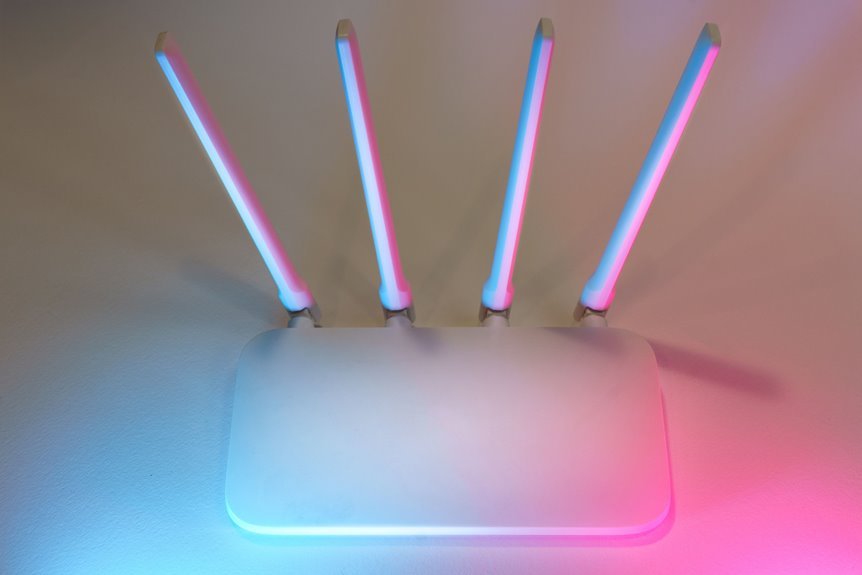
The 168.0.30 router refers to a common home or small-office networking device used to manage local area network (LAN) traffic and provide gateway access to external networks. It is examined for risk awareness and evidence-based relevance, emphasizing how timely login supports network security and monitoring. Proper attention to router firmware updates reduces vulnerabilities while preserving functional freedom and measurable resilience.
To locate the router’s default IP address and credentials quickly, users should consult the device label, manufacturer documentation, or authoritative online resources, as defaults are model-specific and frequently differ from network to network. This approach minimizes risk, enabling verification before configuration.
Evidence suggests noting the default password and planned firmware update schedule to maintain security parity and documented accountability.
Access to the router’s admin interface should commence with a precise, model-appropriate login using the device’s default IP and credentials, followed by immediate verification of the secure connection.
Step-by-step, the procedure emphasizes minimal risk during initial setup: configure admin credentials, update firmware, enable encryption, and set strong Wi‑Fi parameters.
Troubleshooting basics and security tightening are documented for informed, freedom‑minded users.
Despite varied router brands, login issues commonly arise from weak or changed credentials, IP conflicts, or browser-related caching that blocks access; a structured diagnostic approach reduces downtime and exposure.
The section documents troubleshooting login pathways, including credential verification, IP addressing sanity checks, and cache clearing, then transitions to security hardening practices: firmware updates, strong passphrases, device isolation, and regular audit trails to improve resilience.
Yes, it is possible to change the router’s default IP address, though it requires careful steps to avoid connectivity loss. The process may affect firmware update scheduling and password security during reconfiguration; ensure change password and document settings before proceeding.
Yes, by entering the router’s IP (e.g., 168.0.0.1) in a mobile browser, then authenticating; ensure accessibility settings, mobile frontend design considerations, secure login, and risk awareness for remote admin access. Freedom-minded users prioritize secure, accessible interfaces.
There exists a guest network option on the device; enabling it requires accessing the admin panel, configuring Guest access, and applying changes after a Firmware update to ensure security, isolation, and evidence-based risk awareness for users seeking freedom.
Parental controls include content filtering and time limits, with Network scheduling options and device-based profiles. They require firmware updates for reliability; enable via router settings, then apply rules before configuring a Guest network setup to maintain privacy and risk awareness.
Like a brittle clock, it is prudent to perform backup frequency quarterly or after major config changes. The practice supports security defaults, mitigates drift, and aligns with evidence-based risk awareness for users seeking network autonomy.
Conclusion: Secure router access is non-negotiable, and disciplined credential hygiene reduces attack surfaces. A methodical login, followed by firmware updates and strong WPA3-enabled Wi‑Fi, yields verifiable risk reduction in small networks. Users should verify device provenance, confirm default credentials before changing them, and monitor for firmware advisories to close vulnerabilities promptly. In practice, adopting these controls minimizes exposure, ensuring continued integrity of routing functions; neglect invites compromise, so proceed with careful, documented steps. Proceed with caution.