Newsletter Subscribe
Enter your email address below and subscribe to our newsletter
Enter your email address below and subscribe to our newsletter

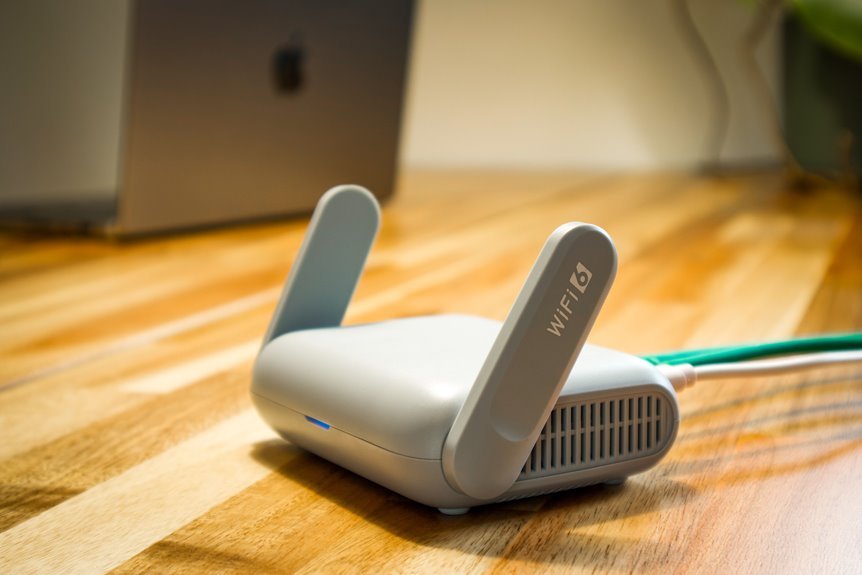
 BySonu
Accessing the 168.9.9 admin panel begins with a precise browser entry and credential validation. The guide then stresses strong, unique passwords and timely firmware updates to secure the device. It covers settings for speed, privacy, and network segmentation, plus practical steps for optimization and ongoing protection. While the basics are clear, the pathway to robust configuration includes careful firmware checks, log reviews, and potential adjustments to QoS and guest networks, inviting careful consideration of the next steps.
To access the 168.9.9 admin panel, users should open a web browser and enter the router’s IP address in the address bar. The page requests authentication, where credentials enable access to the admin panel. Once loaded, navigation is straightforward, with labeled sections guiding configuration. This process supports deliberate control while avoiding unnecessary steps, preserving the user’s sense of freedom, and security awareness.
Securing a router begins with strong passwords and up-to-date firmware. The section emphasizes password security as a baseline, with unique credentials for admin and Wi‑Fi. Regular firmware updates are essential to fix vulnerabilities.
Consider network segmentation to isolate devices and reduce risk, while offering guest access with limited permissions. Clear policies, monitored changes, and documented practices reinforce resilient, freedom‑oriented networking.
Optimizing router settings for speed and privacy requires a disciplined approach that balances performance with protective measures. The guidance emphasizes privacy features and controlled exposure, prioritizing selective data sharing and robust encryption.
Speed optimization focuses on firmware defaults, channel selection, and QoS rules. This approach preserves freedom while maintaining security, ensuring smooth browsing, reliable connections, and minimal tracking across devices on the local network.
What are the immediate steps after completing a router setup, and how should issues be identified and resolved? In this phase, check connectivity, verify WAN status, and confirm firmware is current.
Systematically test devices, note error messages, and consult logs. If problems persist, consider disabling guest networks temporarily, and assess VPN compatibility to ensure uninterrupted access and secure, stable operation.
The default login timeout for the admin panel is not standardized; it varies by device. Generally, timeout settings balance login security with usability, commonly ranging from 5 to 15 minutes. This reflects broader login security considerations.
Can a factory reset preserve connected devices? Yes, but only if the reset procedures include careful reboot options; device retention depends on firmware update status. The answer involves password recovery steps and ensures safe reset without complete network loss.
To update DNS settings securely on this router, ensure the device uses secure DNS and verify firmware updates before applying. The process prioritizes authenticated sources, encryption, and regular checks to maintain network integrity; firmware updates should be current and signed.
Approximately 60% of households use mesh networks; 168.9.9 compatibility depends on router firmware and standards. It may be compatible if supports mesh extenders, but unrelated topic and off topic ideas should be avoided for clarity.
Parental controls beyond basic content filters exist, but their depth varies. The critique notes limited customization and reporting. A thorough review highlights content filtering limits, scheduling, and device-wide controls as essential features for informed, freedom-minded households.
In summary, the 168.9.9 setup guides users to the admin panel, where strong credentials and timely firmware updates secure the network, and careful feature choices balance speed and privacy. With deliberate configuration—segmented networks, encrypted traffic, and thoughtful QoS—the router operates like a well-tenced orchestra, each setting harmonizing for performance and protection. Ongoing checks of WAN status, logs, and compatibility ensure the system remains sturdy as new needs arise.