Newsletter Subscribe
Enter your email address below and subscribe to our newsletter
Enter your email address below and subscribe to our newsletter

 BySonu
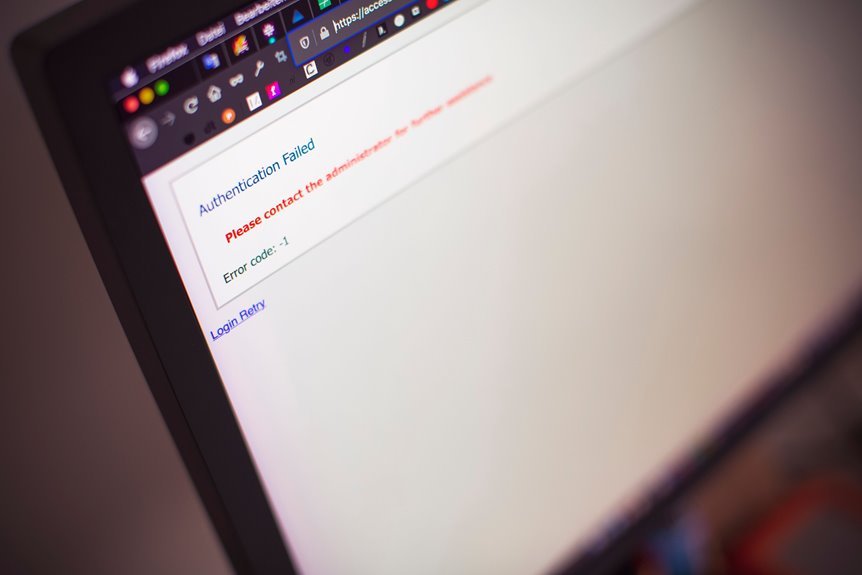
The lp192.168.8.1 login error stems from the local router’s admin portal, not a device failure. Incorrect credentials, expired sessions, or cached data commonly cause access issues, while IP conflicts or browser blocks can also impede entry. Troubleshooting focuses on validating the address, clearing caches, and disabling conflicting VPNs or security blocks. Each remediation step addresses a distinct cause, guiding the user toward a stable connection—but the exact remedy depends on the specific error type and scenario.
lp192.168.8.1 is a private gateway address used by certain router and modem interfaces. The lp192.168.8.1 overview indicates it manages local network access and configuration portals. When credentials fail or timeouts occur, router login errors emerge, often due to cached data, IP conflicts, or browser security blocks. Troubleshoot by verifying address, clearing sessions, and using supported devices for reliable access.
Common login error codes point to authentication issues, connectivity problems, or browser-/security blocks rather than device malfunctions. These codes guide administrators toward verification steps: credential accuracy, session persistence, and certificate validity.
In practice, a new router environment and careful firmware update checks matter.
Documentation should distinguish errors by type, enabling targeted troubleshooting without unnecessary hardware replacement or speculation.
To regain access, begin with targeted browser, IP, and device checks that quickly identify common entry barriers and restore connectivity.
The approach emphasizes network security hygiene: clear cache, disable VPN quirks, and verify router IP alignment.
Inspect device permissions and parental controls, ensuring no collateral blocks.
Document changes, re-test access, and monitor for persistent constraints impacting authorized users.
When diagnosing access issues across distinct scenarios, a structured, scenario-based approach ensures precise isolation of faults: (a) new router setup, (b) firmware updates, and (c) intermittent connection drops.
The procedure remains objective, documenting each condition, applying uniform tests, and confirming results.
For a new router, verify defaults; during firmware update, monitor integrity; for drops, analyze signal, interference, and scheduling.
Yes, one can change the password; it should be done carefully. The user should consider security implications, choosing a strong, unique credential. Document changes, update devices, and monitor for unauthorized access while maintaining a freedom-oriented, proactive security stance.
A tempered “yes,” says the guide, as irony hints: reset risks exist but are unlikely with proper steps. A bricked router is improbable yet possible; observe default password safety and lp192.168.8.1 specifics to avoid hardware failure mimic.
Yes, ISP-provided gateways may use 192.168.8.1 as a management IP. If conflicts arise, an IP conflict or firmware crash can occur during configuration or resets, potentially requiring safe recovery or factory reset procedures to regain control.
“Actions speak louder than words.” Login patience should last 24–48 hours; if errors persist, pursue support escalation. Check gateway relevance and firmware safety; note hardware symptoms and document steps taken for efficient troubleshooting and informed support engagement.
Yes; hardware failure can mimic login errors on lp192.168.8.1, complicating login troubleshooting. A methodical approach isolates causes, tests connectivity, checks indicators, and verifies firmware, ensuring symptoms align with device health rather than credential issues.
In the end, the obsessive quest to log into lp192.168.8.1 reveals that the door is not broken, merely mislaid behind a cache storm and a stubborn browser. The user, armed with credentials, session hygiene, and skeptical VPNs, discovers that persistence beats panic. When all else fails, reboot with restraint, clear data, and re-enter calmly. The gateway, like a stubborn librarian, finally grants access—provided one remembers the exact title, the correct passphrase, and the patience to try again.